INDEPENDENT. LOCAL. YOUR FREE COMMUNITY NEWSPAPER.Follow us on Facebook →
Rustenburg • North West
Fostering a sense of community

Community

In liefdevolle herinnering | In remembrance

Local voices. Real stories. A community connected.

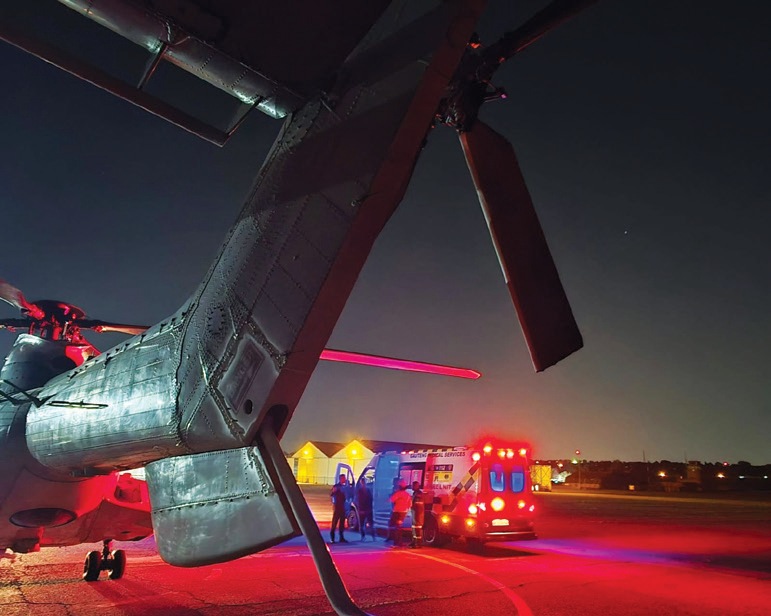
Air Force lifts injured Magaliesberg hiker to safety
Community

Air Force lifts injured Magaliesberg hiker to safety

Platinum Weekly newspaper | Magaliesberg – An eight-metre fall left a hiker with multiple spinal fractures on Sunday afternoon, 13 September 2026, prompting a challenging helicopter rescue after dark by the South African Air Force (SAAF) and mountain rescue specialists.


KERNEELS
Community

KERNEELS

MATHEMATICIANS ARE PEOPLE... ...WHO TURNS COFFEE... ...INTO THEOREMS.

Did you know? — HOW LONG IS THE ROAD FROM MEETING TO FINISHED?
Community

Did you know? — HOW LONG IS THE ROAD FROM MEETING TO FINISHED?

A 3.38 km road rehabilitation project in KwaZulu-Natal began in September 2023. The province’s 2026 budget still listed it among delayed projects, citing the contractor’s cash flow problems. In Northern Ireland, officials scheduled 2.2 km of resurfacing from 13 April to 5 June 2026 – about eight wee

Four tickets, R20,500 and a brighter tomorrow
Community

Four tickets, R20,500 and a brighter tomorrow

Platinum Weekly newspaper | Rustenburg – Four rugby tickets became an opportunity to make a meaningful difference when Life Peglerae Hospital’s doctors and staff joined forces to raise R20,500 for Lighthouse Child & Youth Care Centre.

KERNEELS
Community

KERNEELS

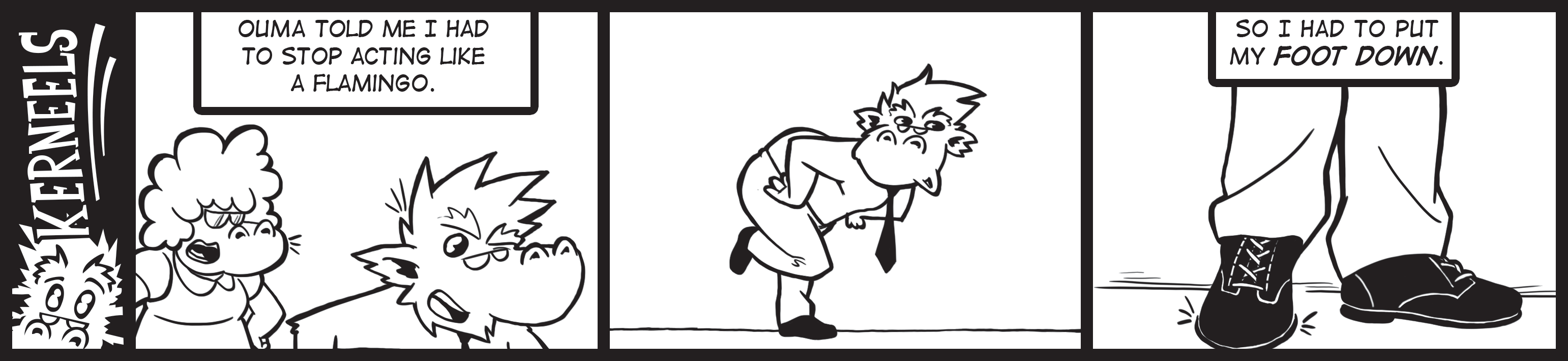
OUMA TOLD ME I HAD TO STOP ACTING LIKE A FLAMINGO.

Did you know? — TREES CAN WARN THEIR NEIGHBOURS OF DANGER…
Community

Did you know? — TREES CAN WARN THEIR NEIGHBOURS OF DANGER…

Trees may appear silent, but some can share chemical warning signals. When insects feed on their leaves, certain trees and other plants release airborne chemicals called volatile organic compounds. Nearby plants may detect these signals and prepare their own defences, helping them respond faster or more strongly if attacked. Some of these chemicals can even attract predators that feed on the invading insects. Scientists call this plant-to-plant signalling – not conversation as humans know it, but a remarkable natural warning system hidden in the air around us.